POETRY OF PLANTS
POETRY OF PLANTS. OUR CONVERSATION WITH MARTA FROM NEST
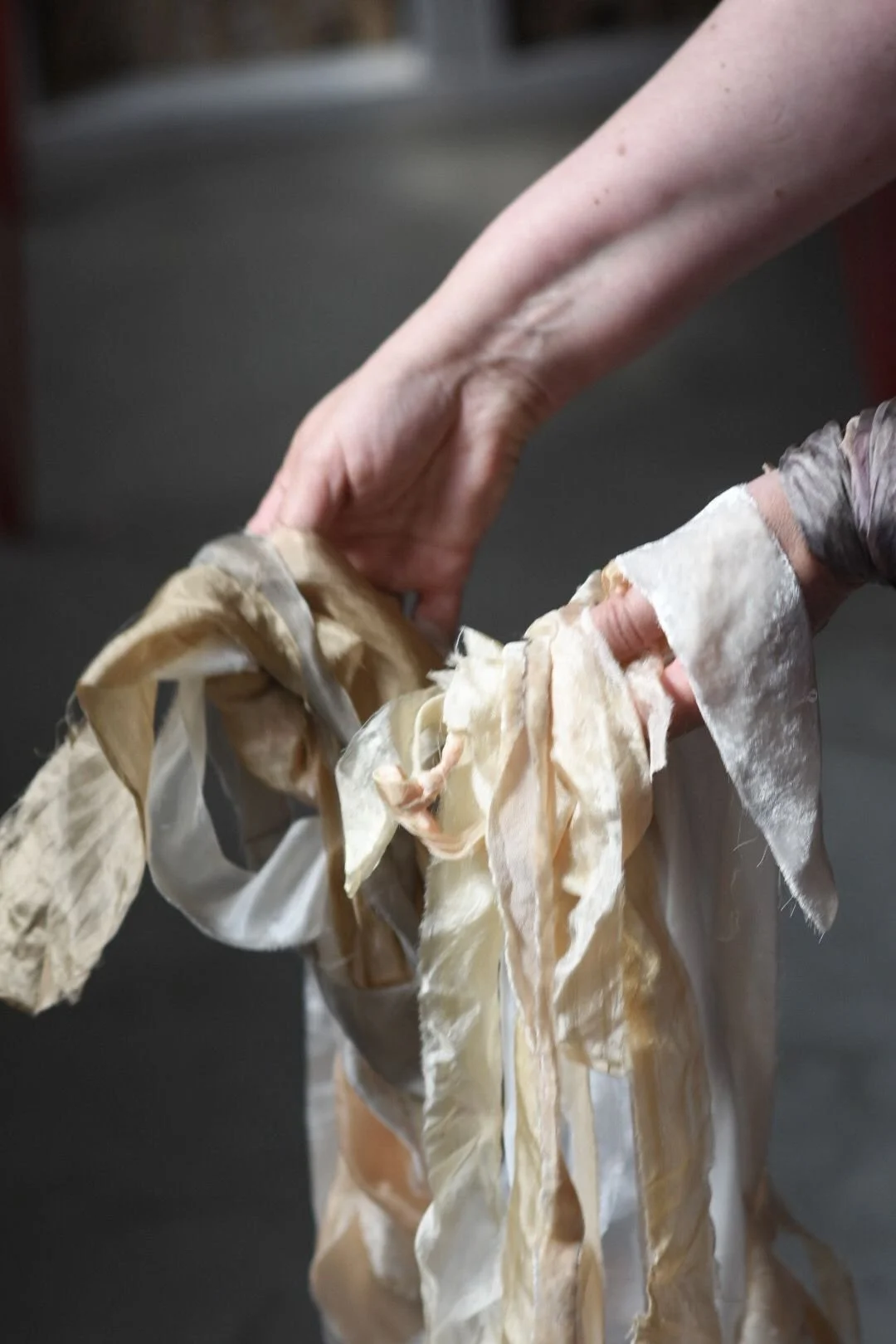
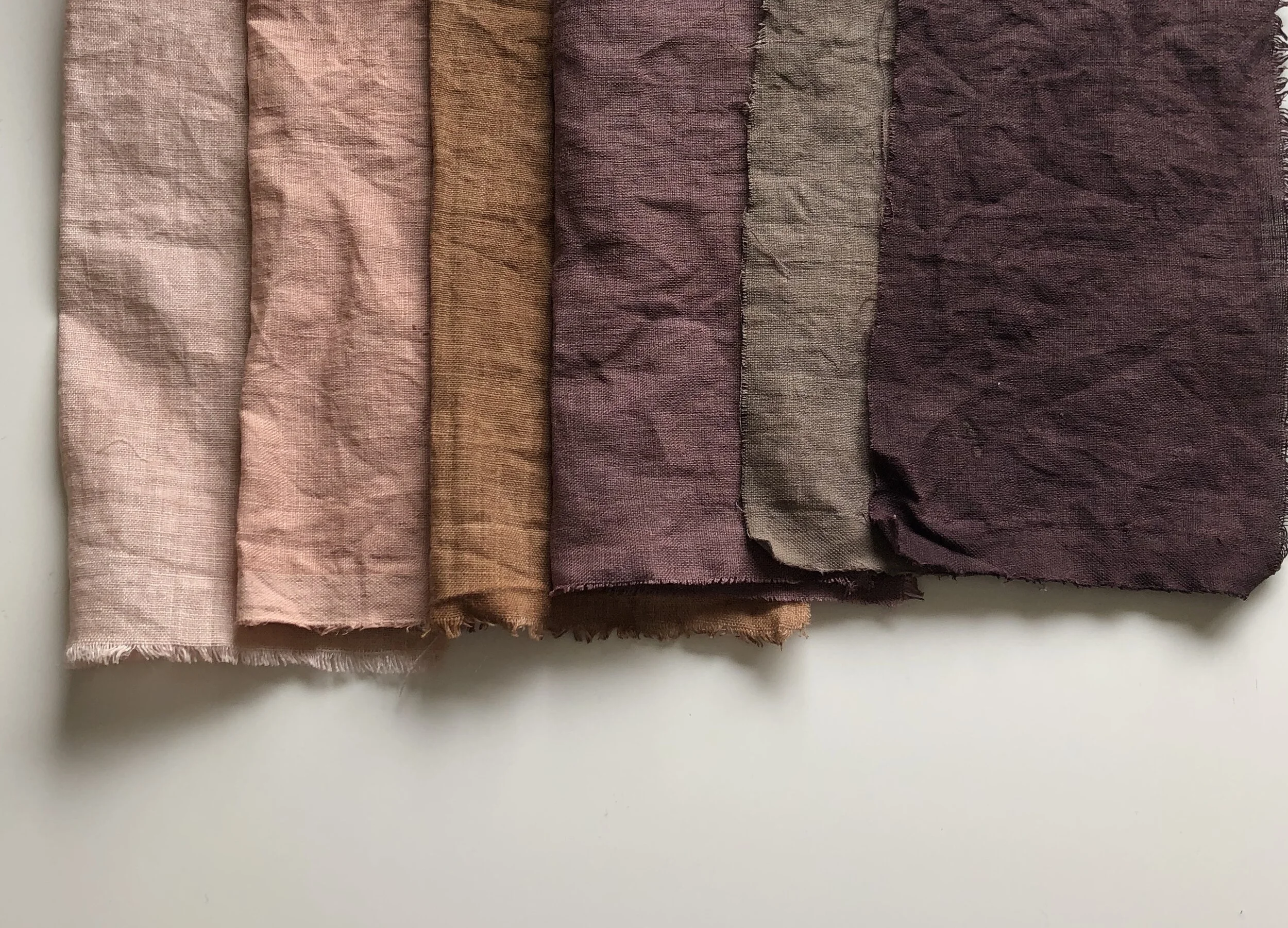
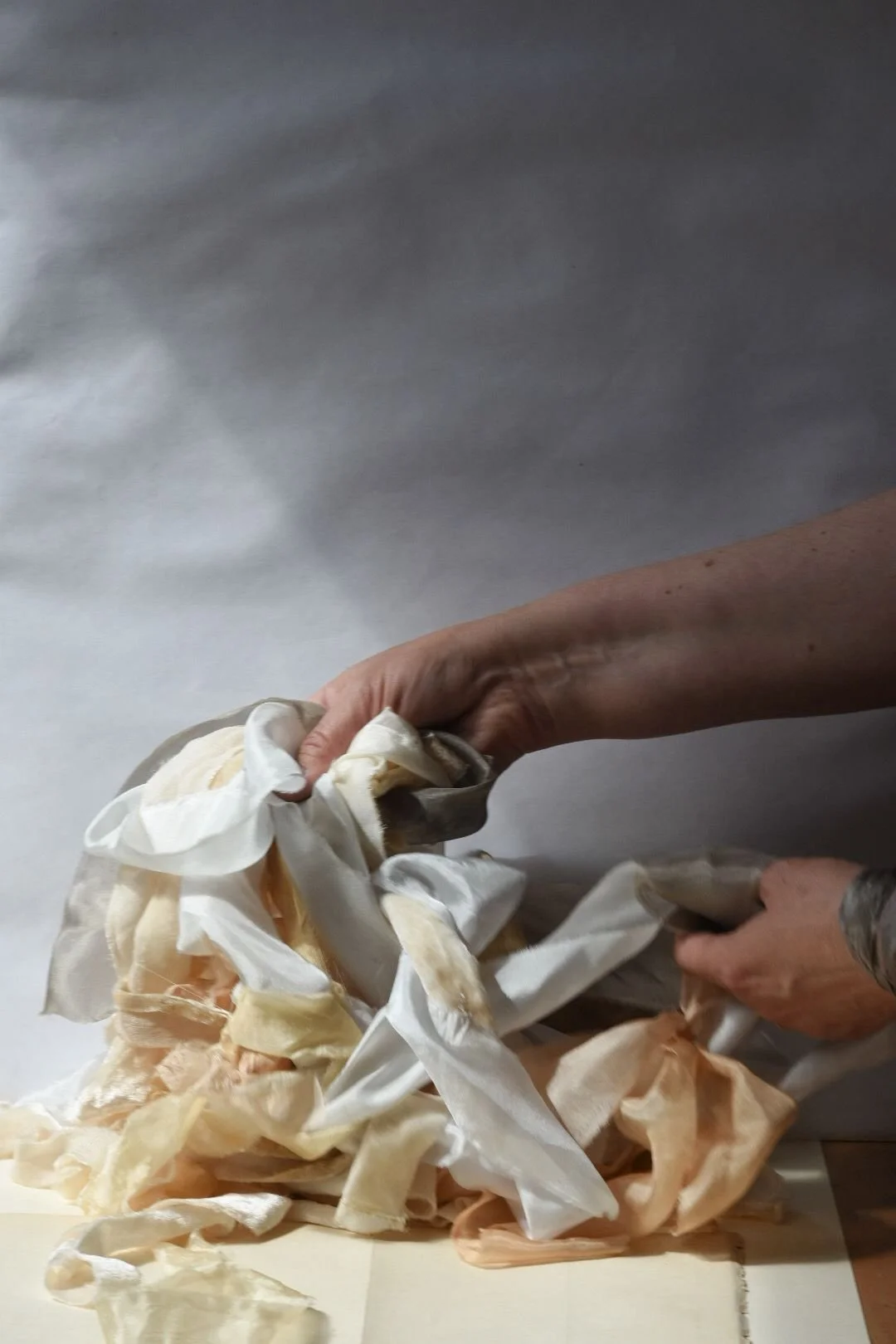
Photo: Soft shades of hand-dyed silk
It's just noticing what nature gives us so freely. And I find a relief and inspiration in this, that I don't have to strive. I don't have to work something out. It's already there.
the petals are falling. The seasons are changing. You know, weather is different every day. So I am not resenting it or fighting it.
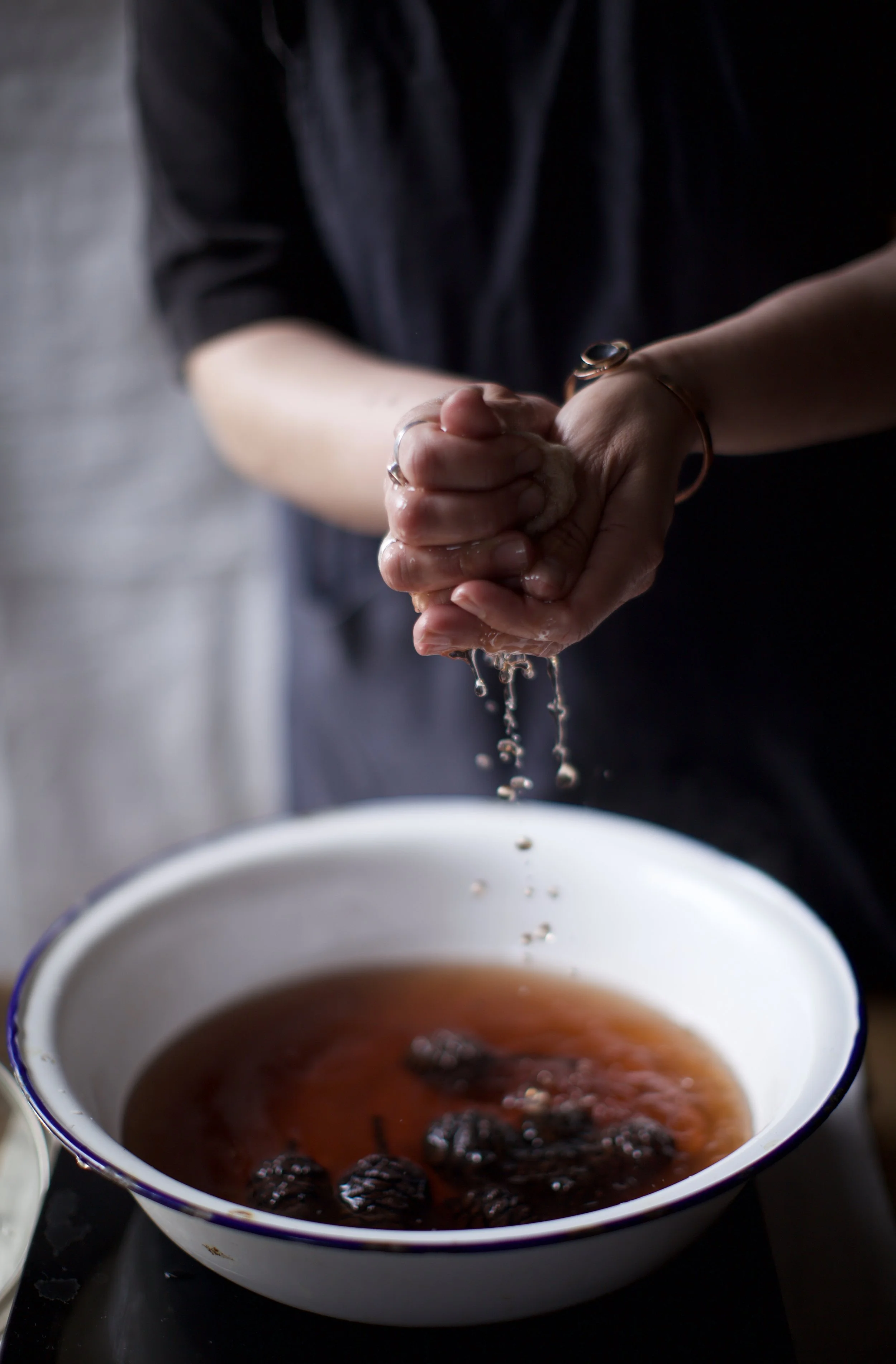
Photo: Natural dye bath created from pine cones gathered on my town walk
EXPLORING SOMETHING NEW
I'm honoured to explore this new format through a dialogue with my dear friend Marta, as part of her beautiful NEST series.
This is a recording of the conversations and quiet practices that shape my creative life—rooted in slowness, in plants, in paying attention.
Here, you’ll find reflections on hand-dyeing, seasonal living, gathered materials, and the evolving relationship between creativity and land. I hope it feels like a gentle pause, an invitation to return to what matters. Let me know what your thoughts are...
To listen to our full conversation, join me on YouTube. Can you share your thoughts on what daily creativity means to you? What helps you walk this path? and what treasures you find there?
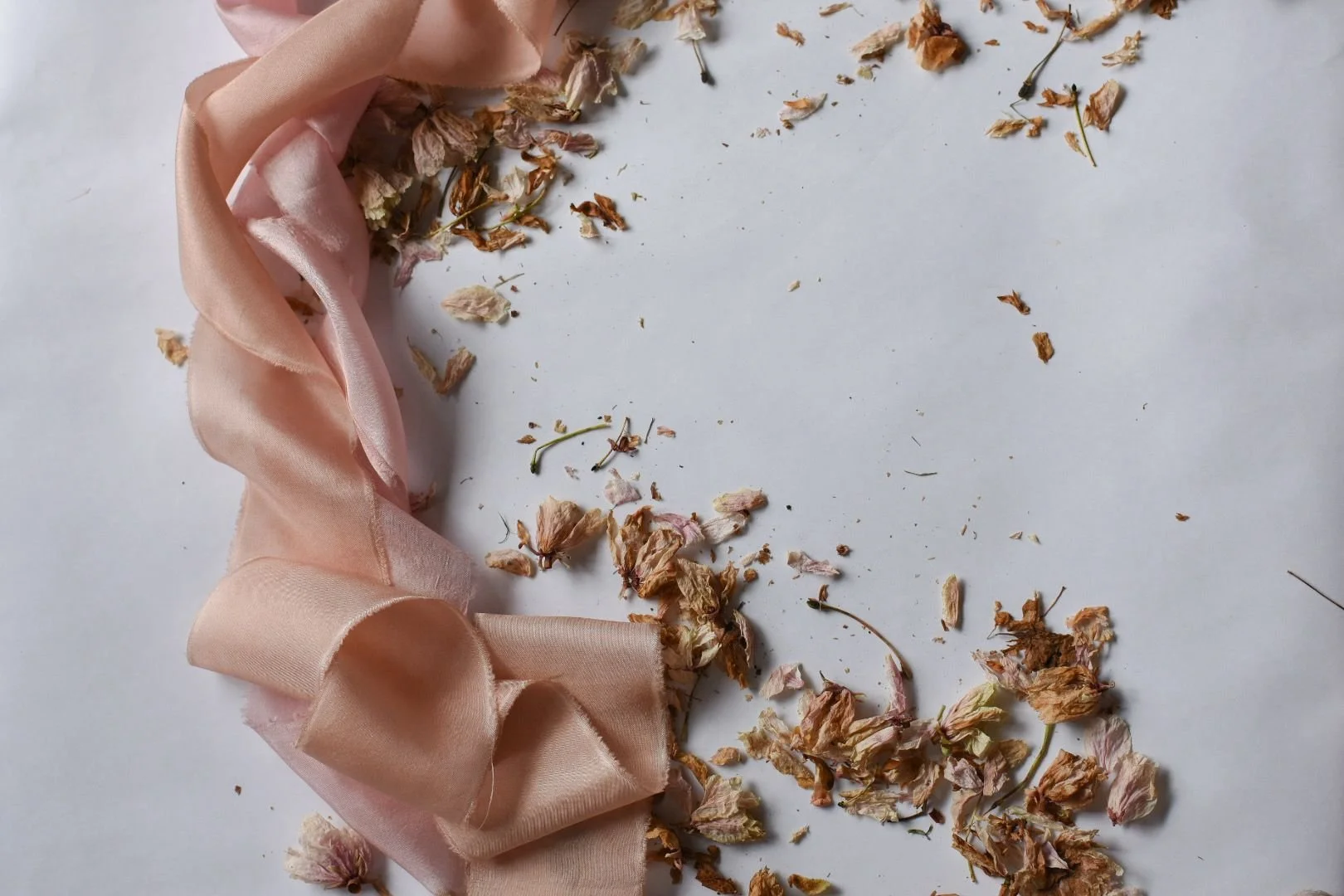
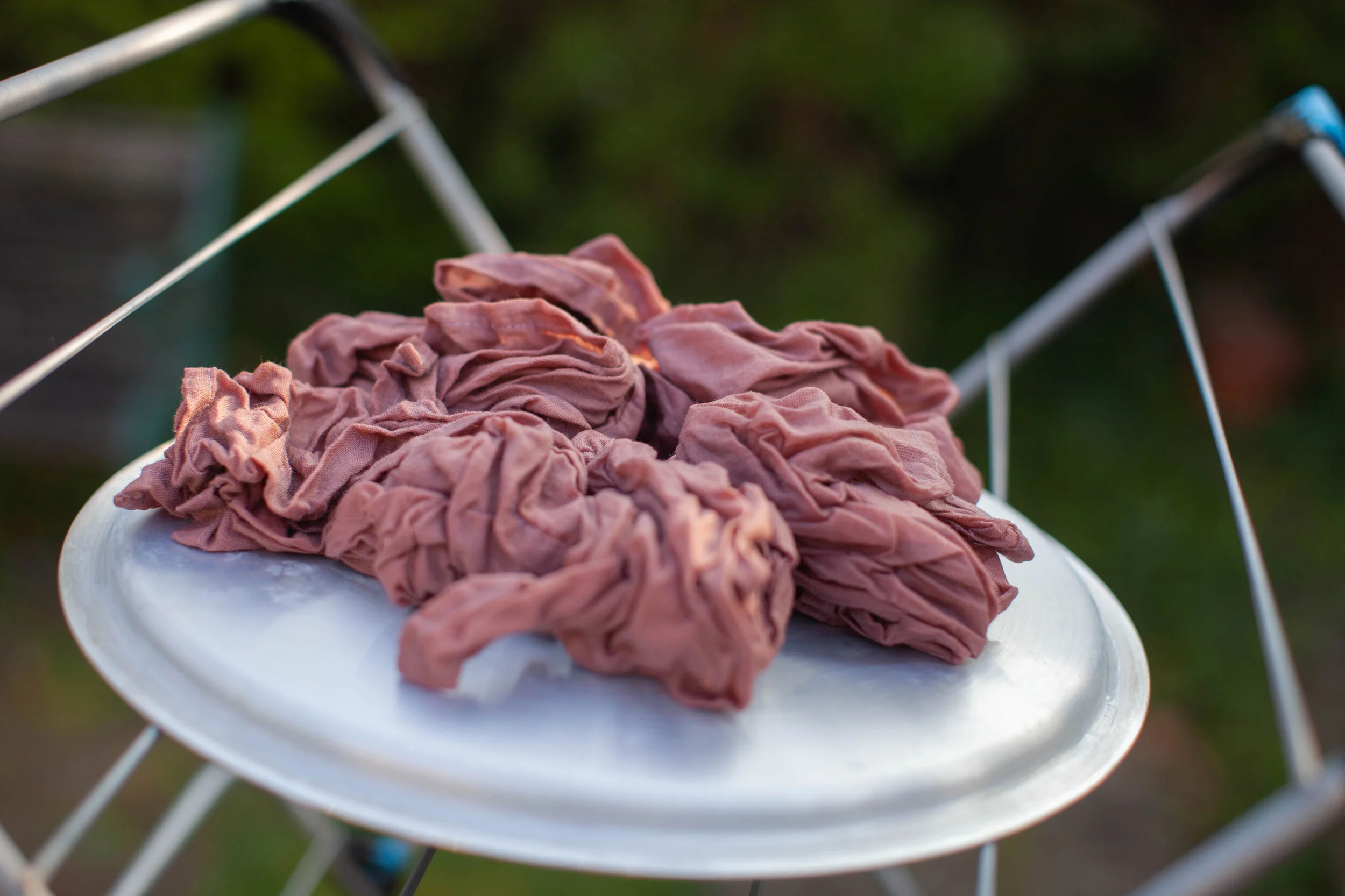
Photo: Peach and Pink shades achieved from natural dyes( madder and cutch)
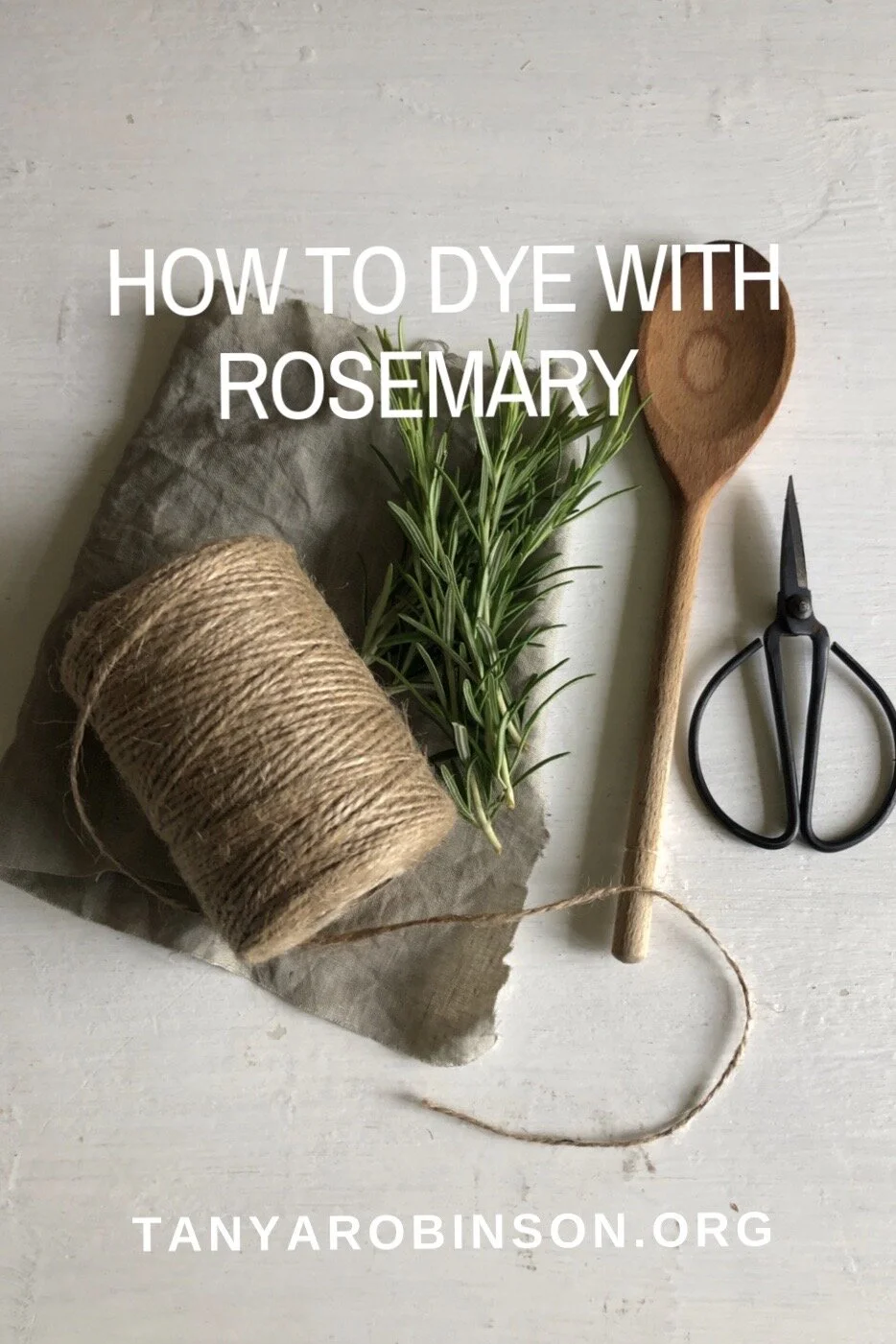
PIN FOR LATER:
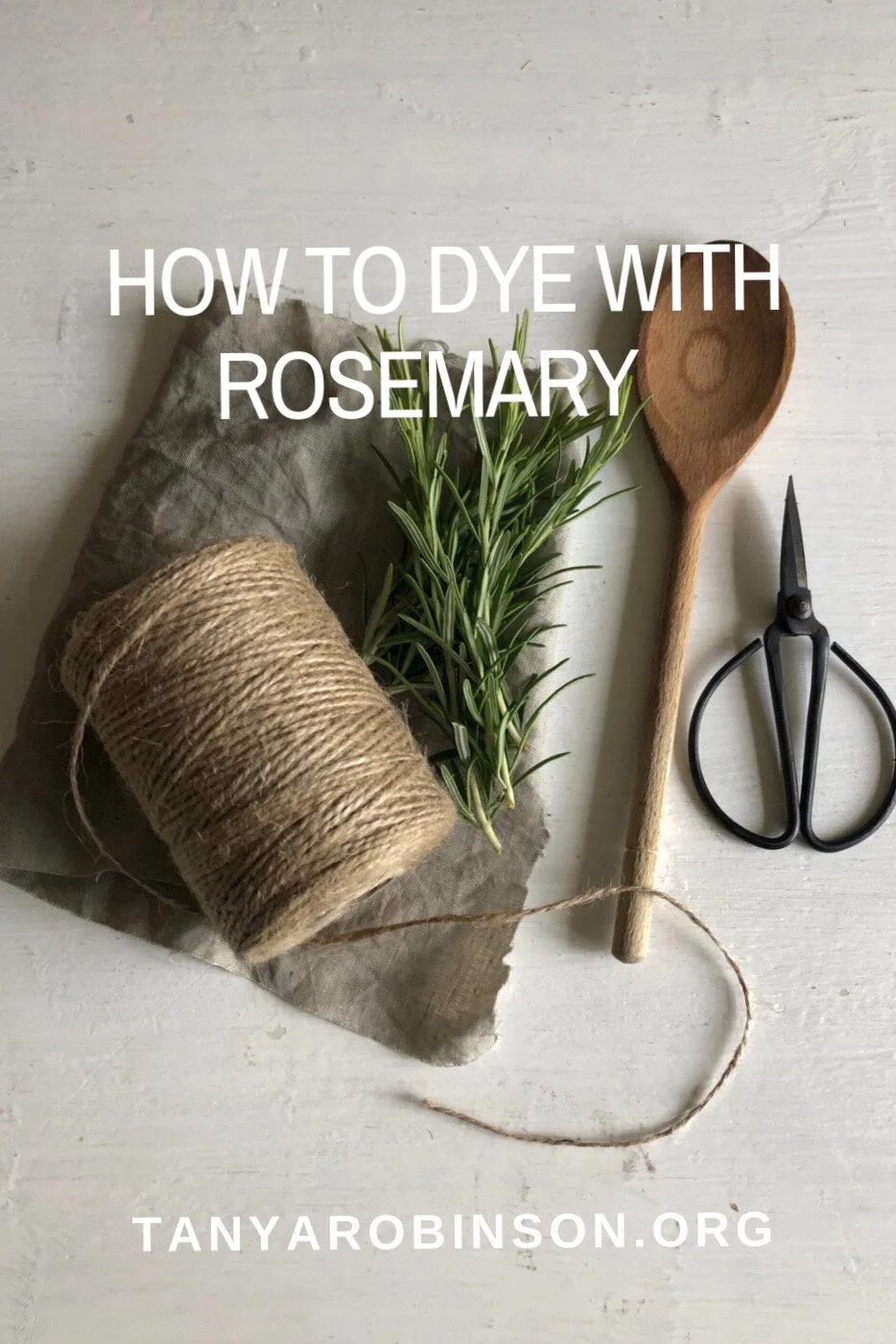
SUMMER ROSEMARY DYE
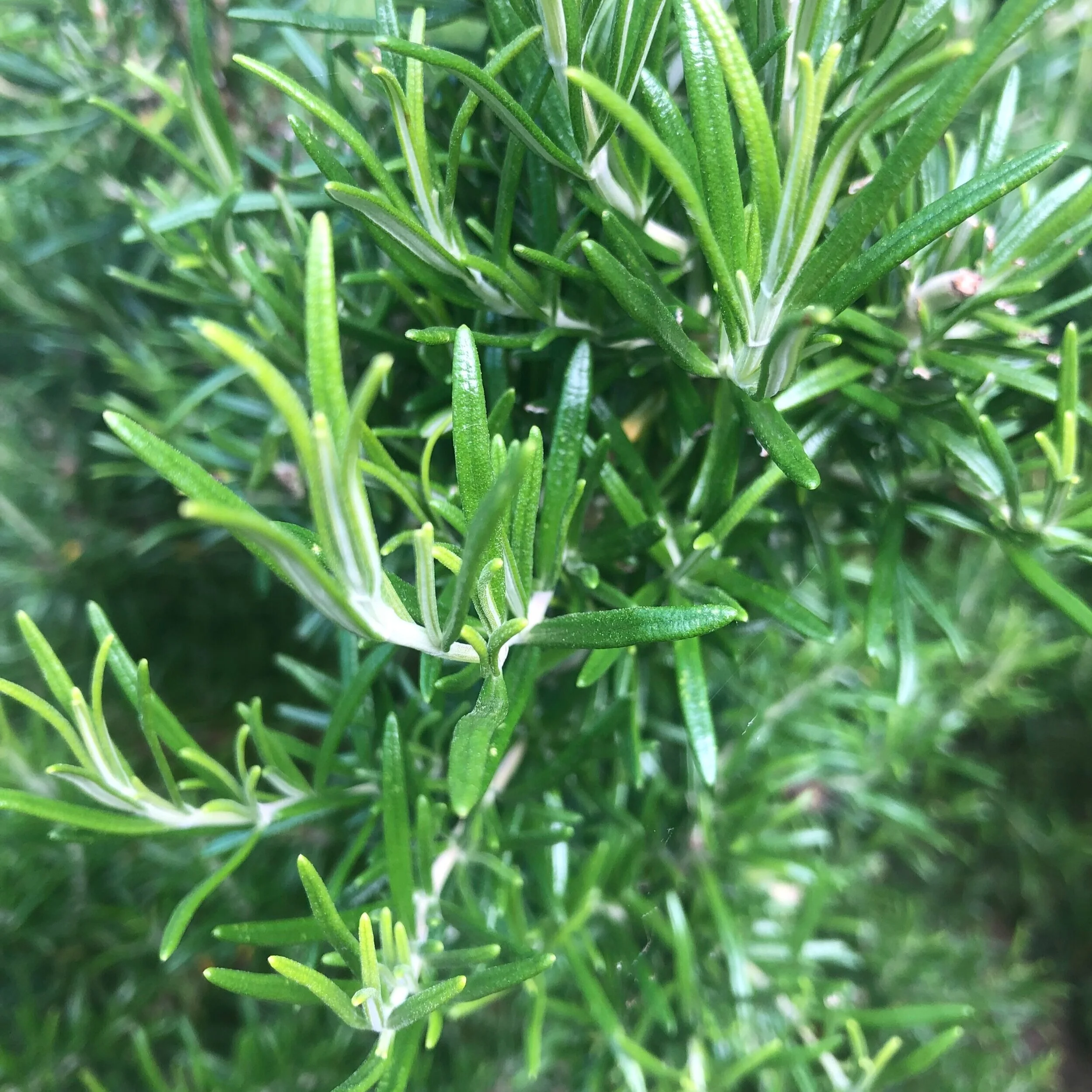
In my recent conversations with some of my followers I have come across the question “ what do you dye with?” a few times. Today I am going to share with you my recent experiments with summer rosemary.
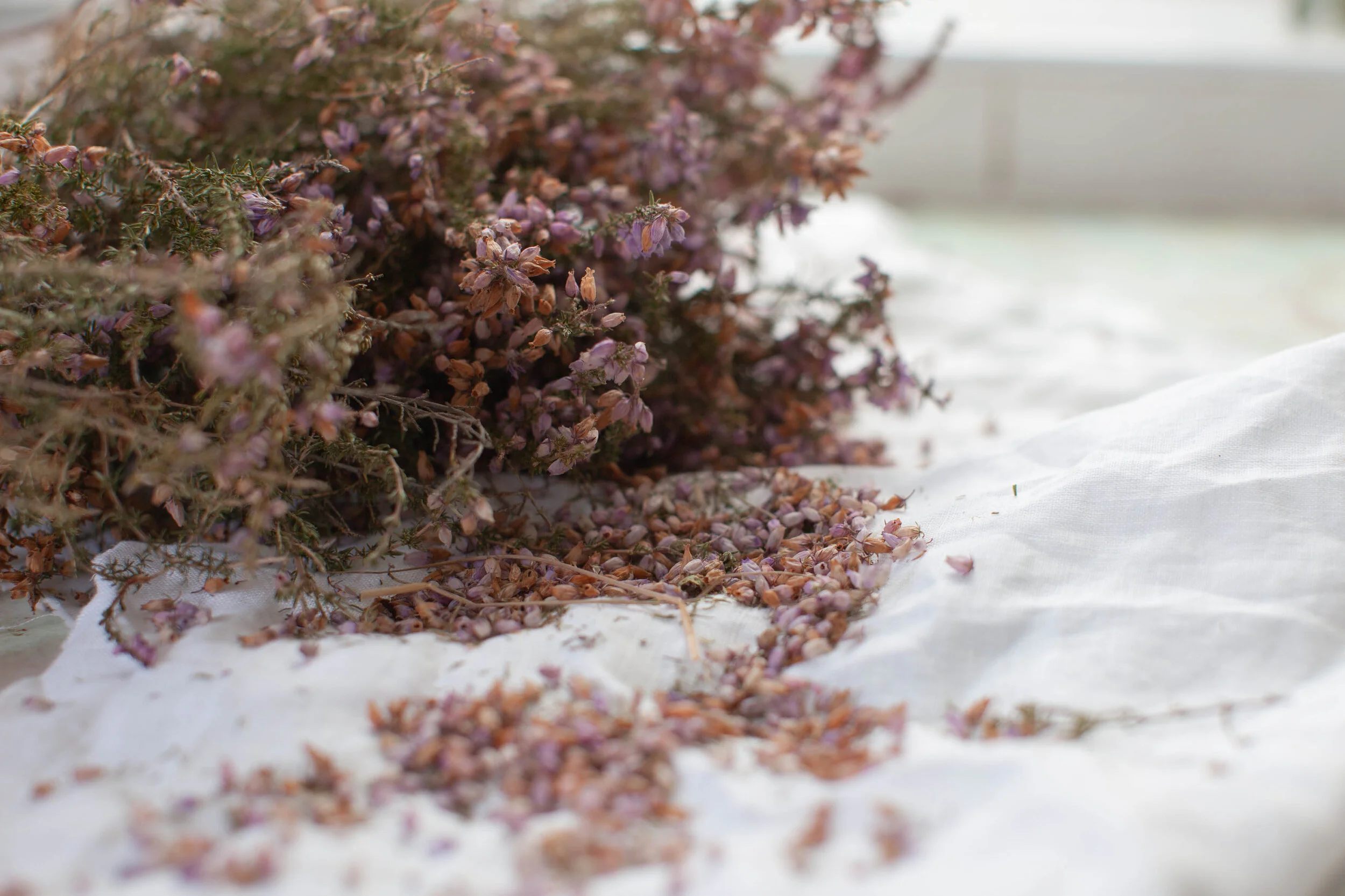
I have tried to use rosemary for dyeing more in winter holiday season. It seems to be the only evergreen herb that looks vibrant in my garden when it’s bleak outside. The fragrance from the dye pot is gorgeous whatever the season. Member of a mint family, it also is known for its potential health benefits.
So here is my dyeing process and the recent experiments this summer.
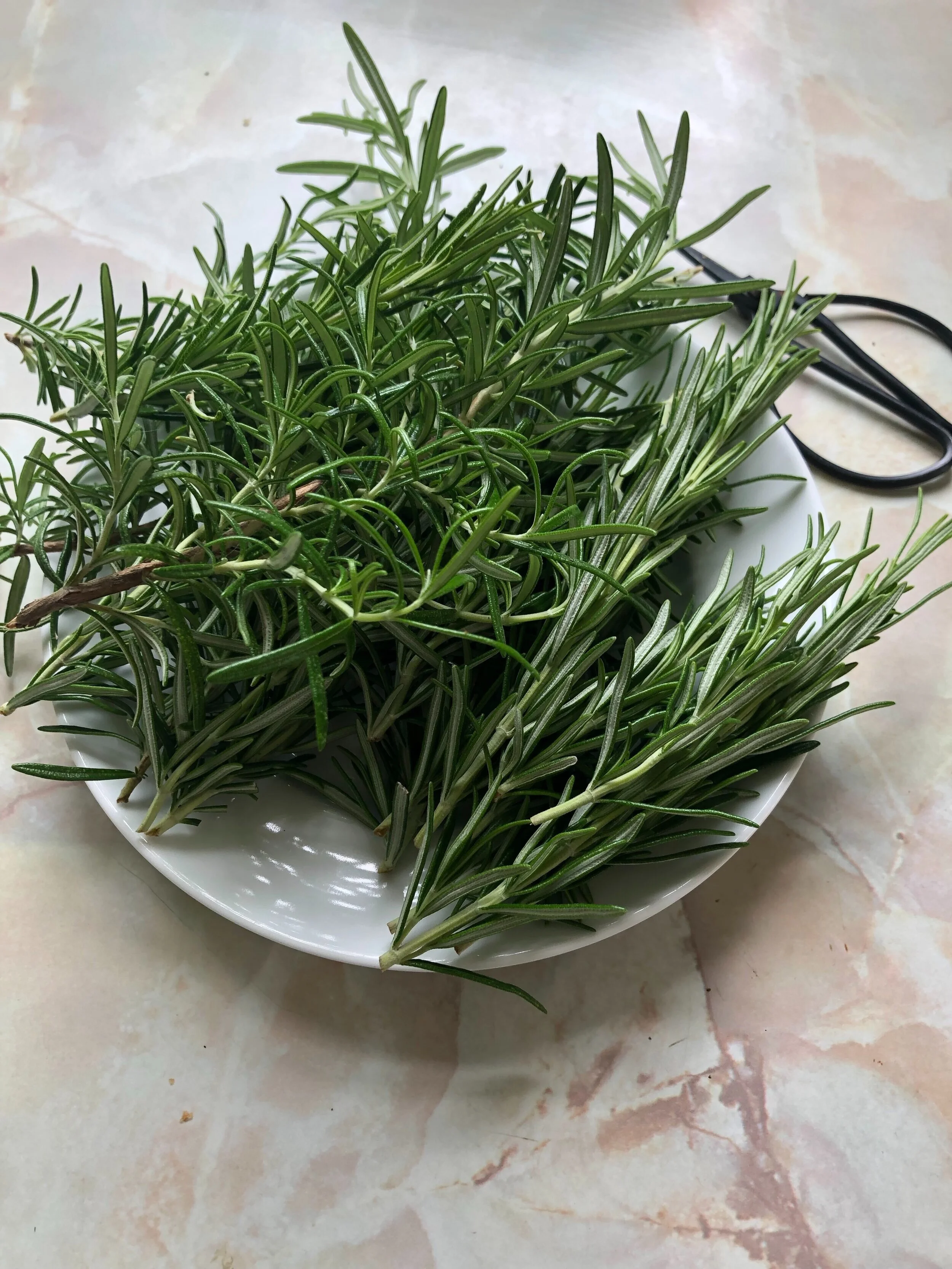
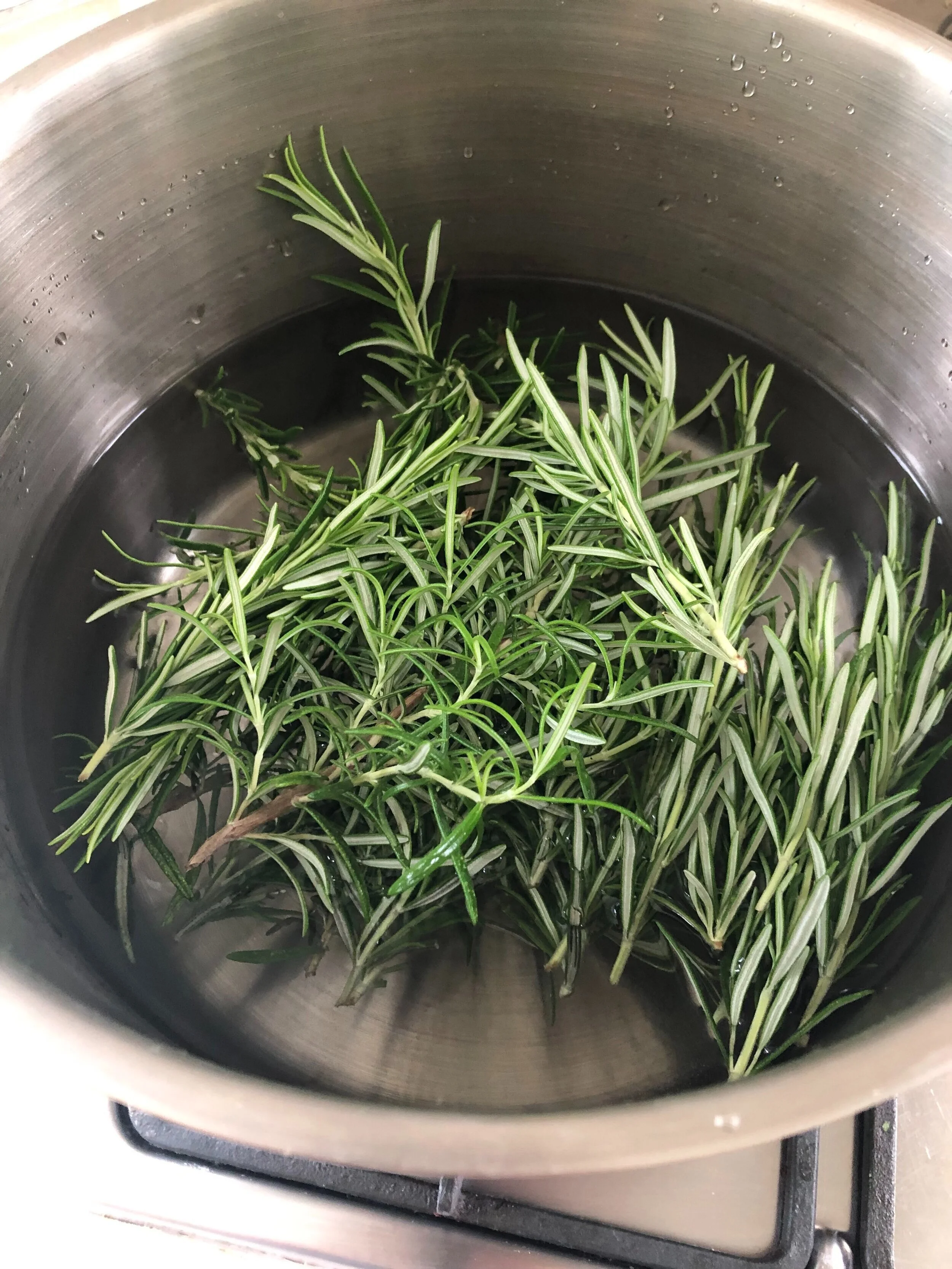
I start simmering my dye pot with a bunch of rosemary for about 30 minutes or so until the water is quite saturated light coral colour. My plan was to dye medium weight linen. Linen as a cellulose fibre needs pre-treating with mordant before that. I describe more about homemade mordant and pre-treating linen with iron water in my Natural dyes guide here. I always pre-treat linen before I put my fabric in a dye bath.
One of my tips for no-streak dyeing is to lay and not to hang my items to dry. It can be on old towels or other soft surfaces. That way the mordant and the natural dye later don’t leave obvious marks, etc. Another thing that helps I believe is stirring the fabric well when it just goes in ( a few times is even better)
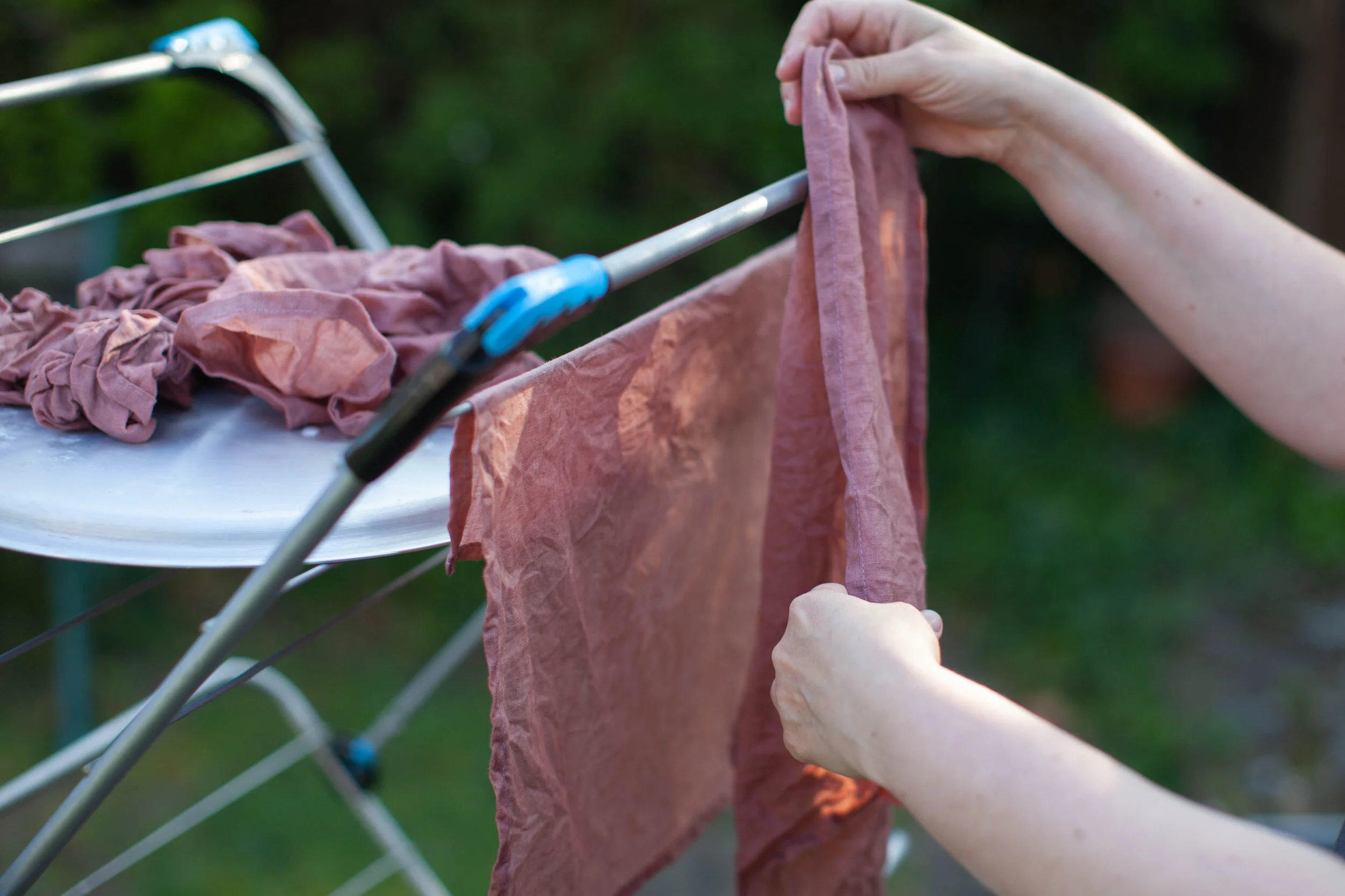
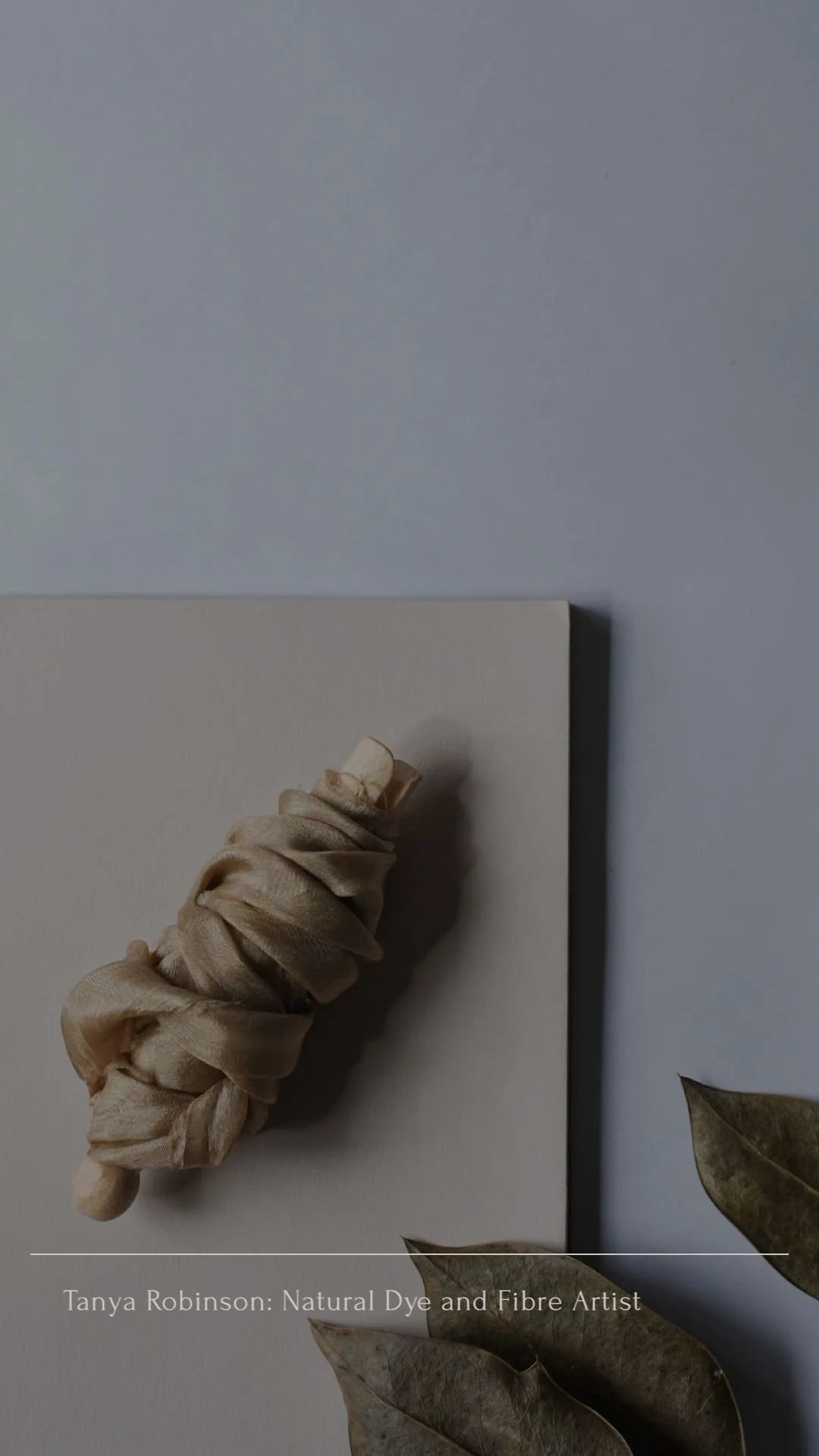
After dyeing is done and it dries, the linen fabric looks like this…
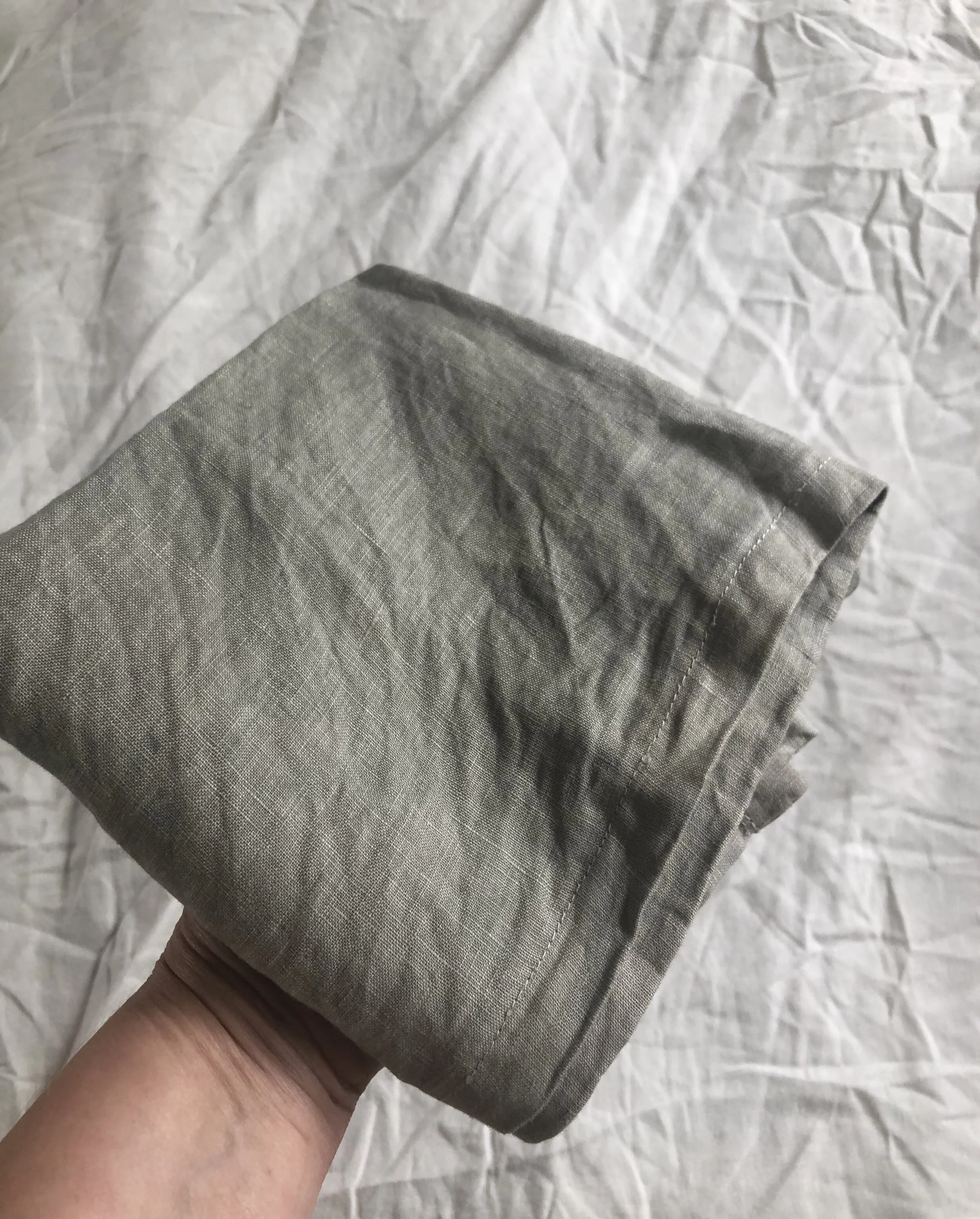
*rosemary grey shade achieved in the summer months
See how the colour shade changes in winter. Next photo is from my photo archive. It becomes more of a grey beige tone really. Seasonal dyeing is an amazing slow process indeed which makes you appreciate nature so much. I am still constantly learning and being surprised.
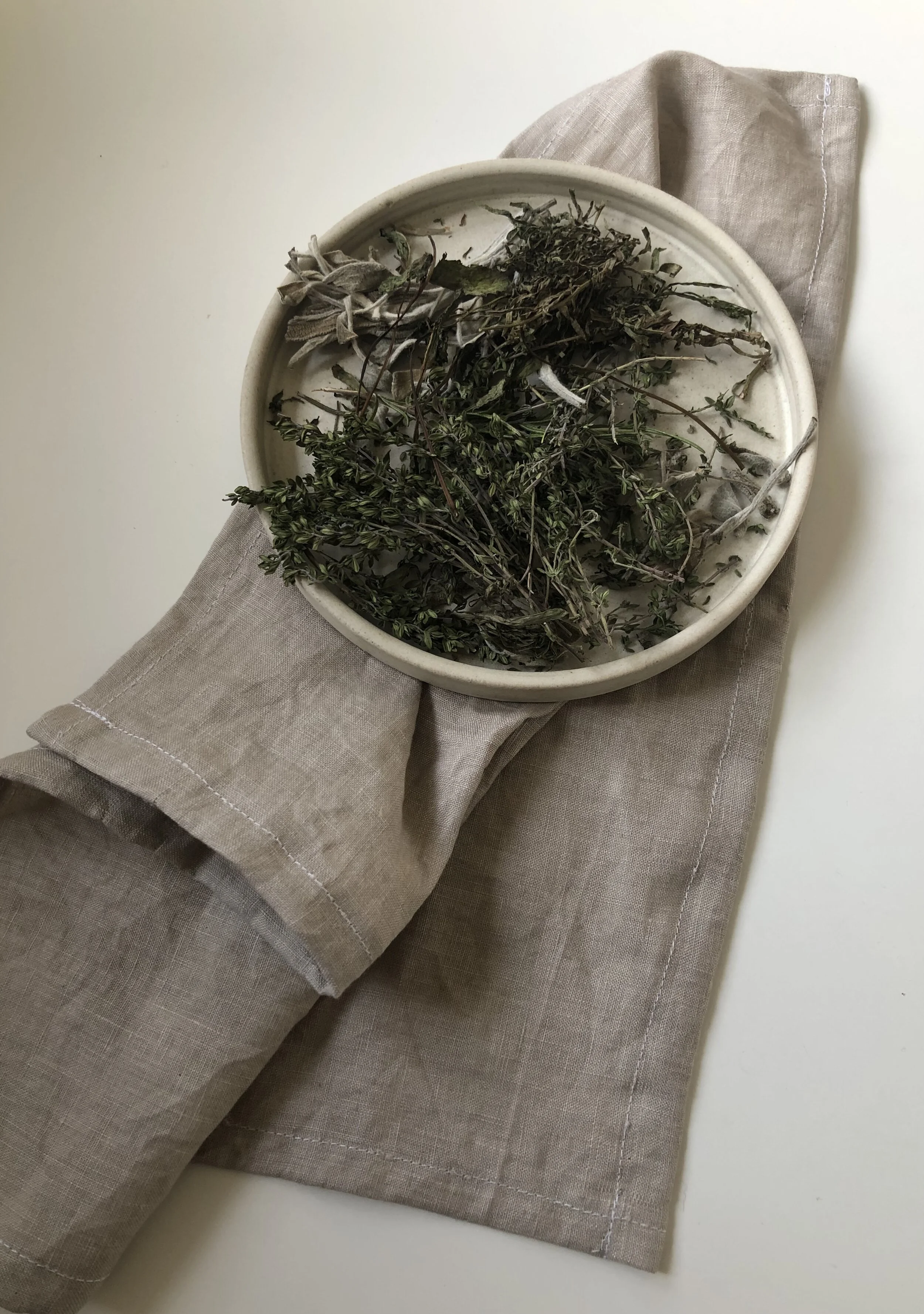
*grey beige shade of linen achieved in winter months
Let me know if you do experiment with summer rosemary. I would love to see your experiments and shades.
Take care, Tanya x
Pin for later:
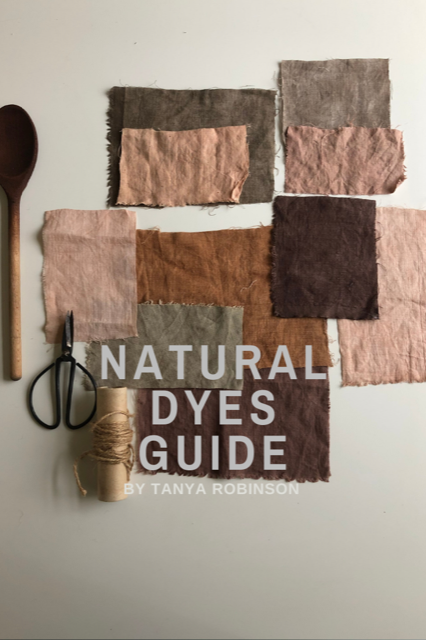
NATURAL DYES GUIDE- SIMPLE STEPS TO SEASONAL LIVING
NATURAL DYES GUIDE- SIMPLE STEPS TO SEASONAL LIVING
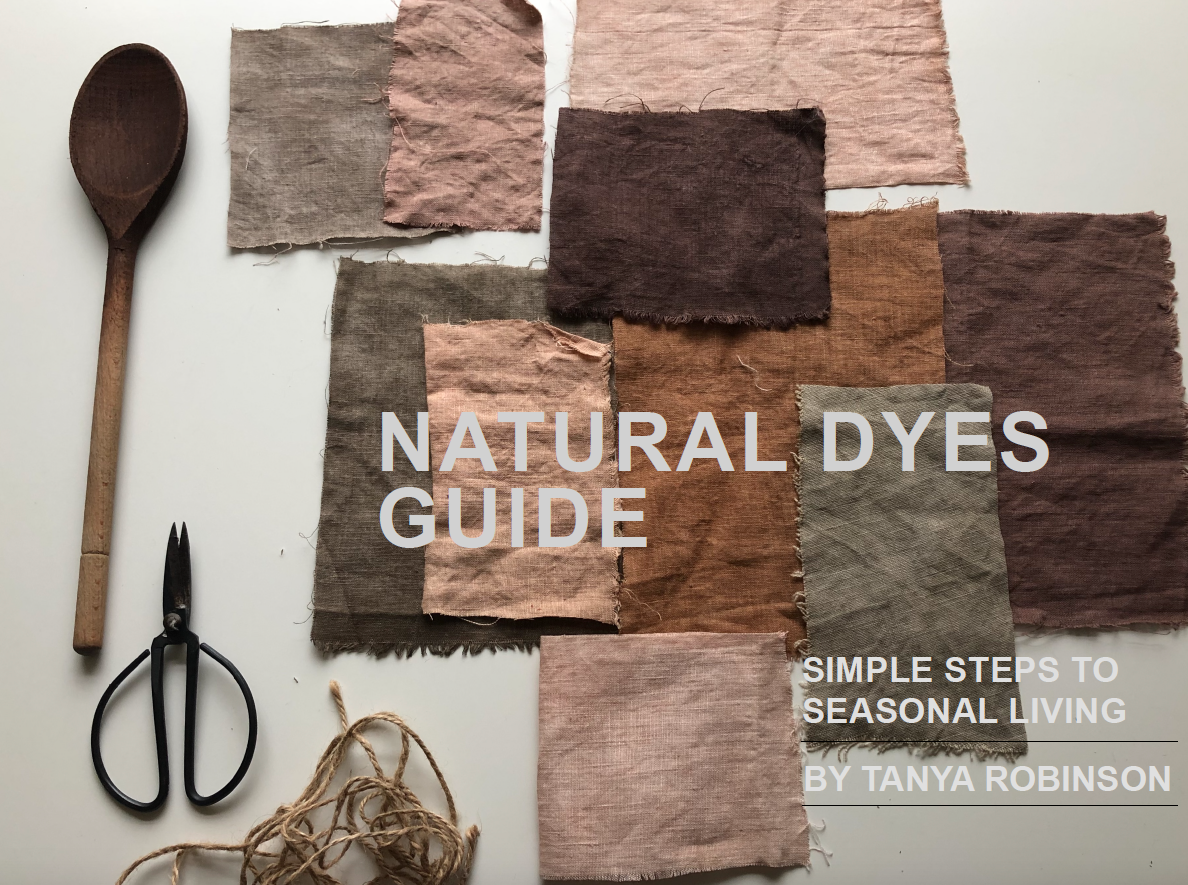
AVAILABLE NOW
Natural dyes guide - Simple steps for seasonal living
We can see, hear and breathe in the beauty of spring even as we stay at home during these unusual days. If we know what to look for and have clear steps in mind, it’s possible to make the most of even short walks outside.
Natural dyeing is a slow, mindful process that’s ideal for these lockdown times. Foraging the first nettles - whether in a quiet wood or an urban alleyway - you can transform what nature gives and learn how to use it at home to create shades and tones of infinite variety.
The Natural dyes guide takes you through the basics of what you need to know to get started on your own exciting journey of natural dyes.
Blossoms, roots, flowers, wood bark, leaves, berries or kitchen waste.
You will learn how to:
+Select the best fabrics for dyeing
+Understand basic mordants and apply them to fix your natural dye
+Create and brew your own dye baths
+Choose and forage your material mindfully
+ Tips and ideas on making your own best colour palettes combination
+ Seasonal dyes and how to use them to the full
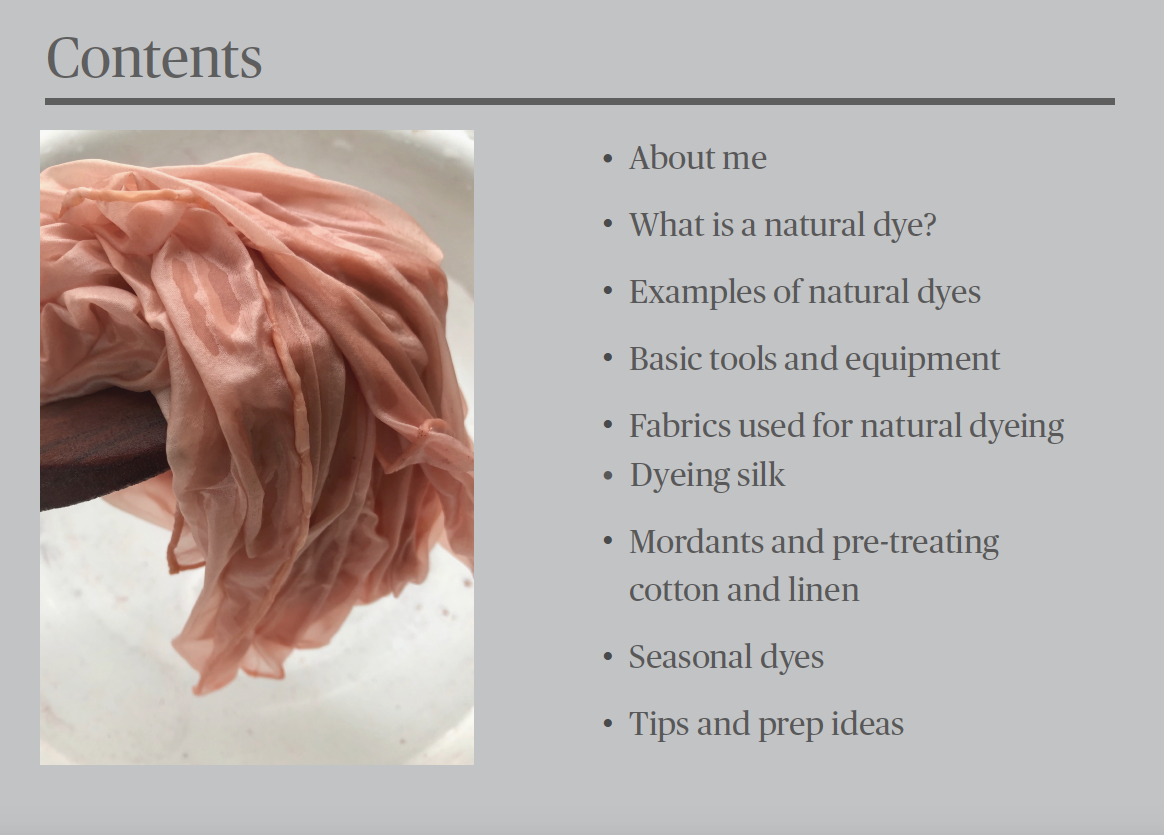
*37 pages that include my photos of the botanical dyeing process with tips and insights learned through numerous trials and experimenting these past several years.
This visual and practical ebook guide is available to download as a PDF publication after you make a purchase.